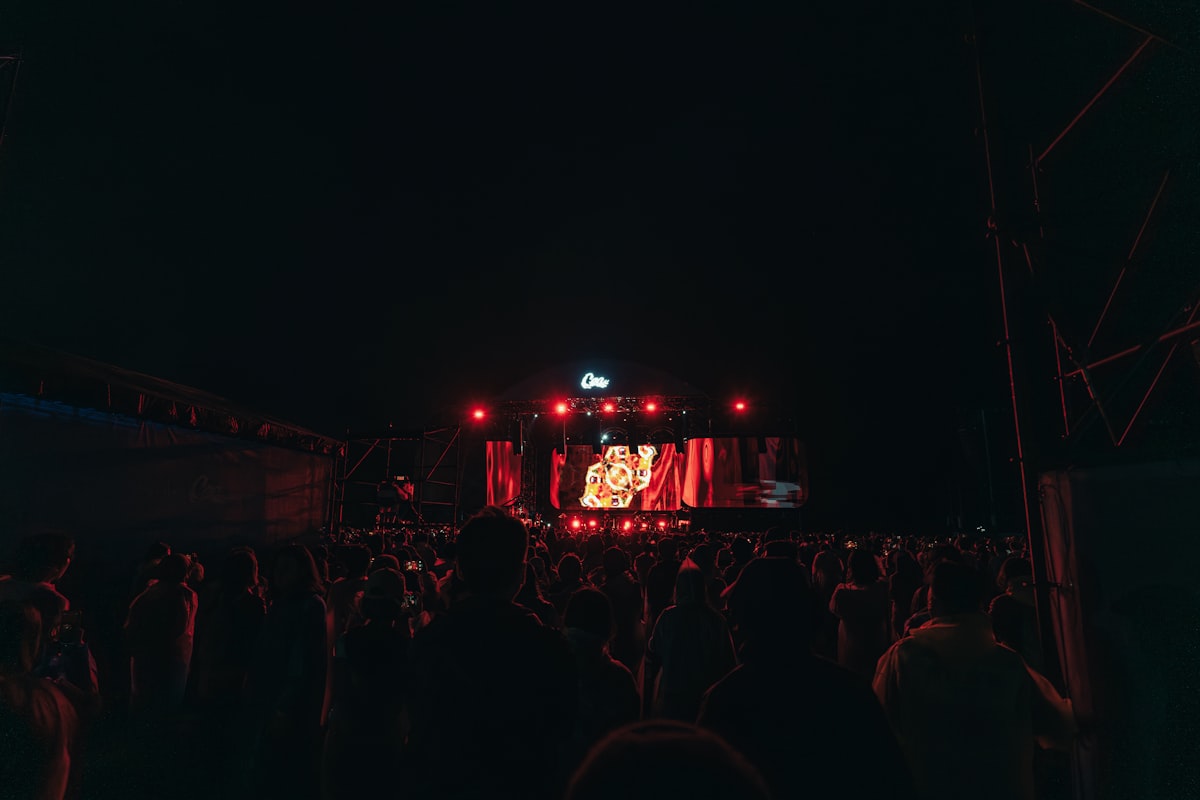
Everyone who loves live music knows the gap. The track you've heard a hundred times on your headphones, played in front of you, in a crowd, suddenly undoes you. It's not nostalgia or hype. Something measurable is different.
The emotional brain responds more to live
In a 2024 study published in PNAS, researchers used real-time brain imaging while a pianist played either live — adapting to the listener's response — or as a recording of the same piece. Live performance produced stronger and steadier activity in the amygdala, the brain's emotional centre, and the performance and the listener's brain activity became coupled, moving together in real time.
It was a small, careful lab study — 27 listeners, solo piano — so it's a window into the mechanism, not a measurement of a festival main stage. But the direction is the part fans already feel: live engages the emotional brain more than the same music through speakers.
And the peaks are real chemistry
The other half of the feeling — the chills when the drop lands, and the build-up right before it — has a landmark study behind it too. In 2011, researchers showed that peak musical moments release dopamine, the brain's reward chemical, and that the anticipation of the peak and the peak itself involve distinct pathways. The wait for the drop and the drop are two different highs.
A song you love, played live, isn't the same song. Your brain treats it differently.
Which is exactly the thing a camera roll can't keep: not the audio file, but the version you heard live, attached to the moment you heard it. That's what Chord captures — the song and the night, together.